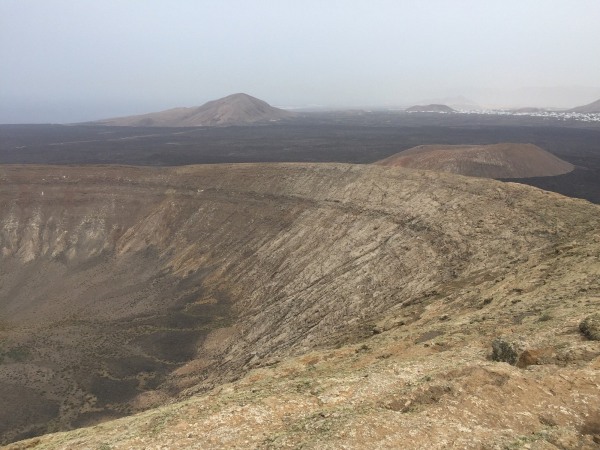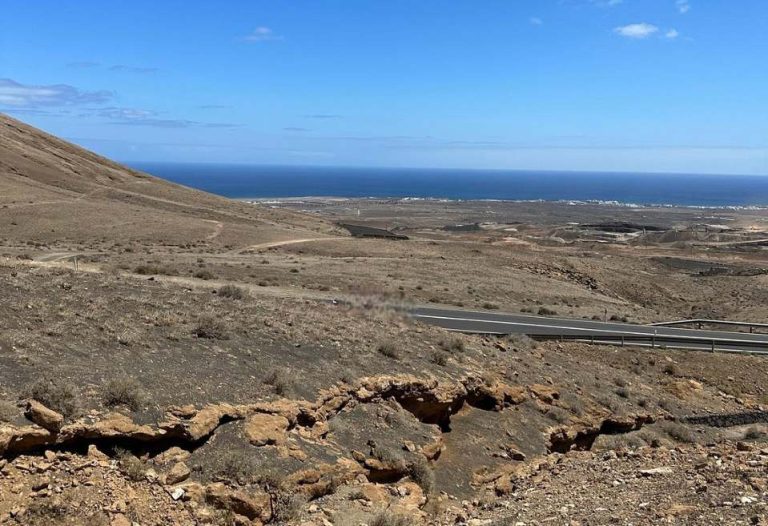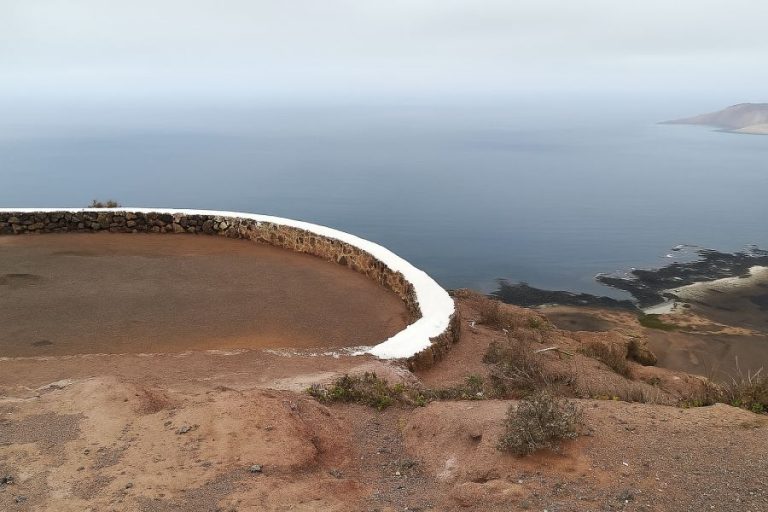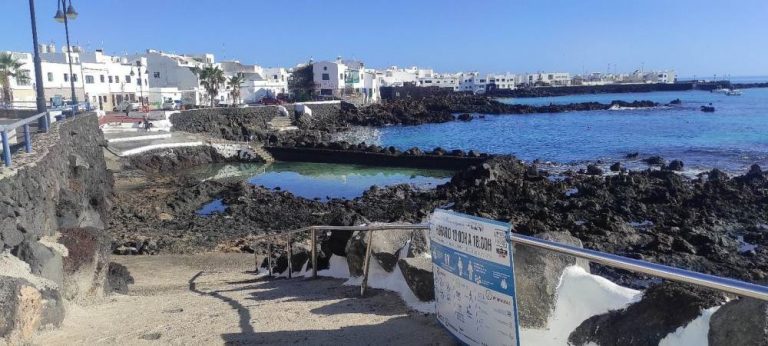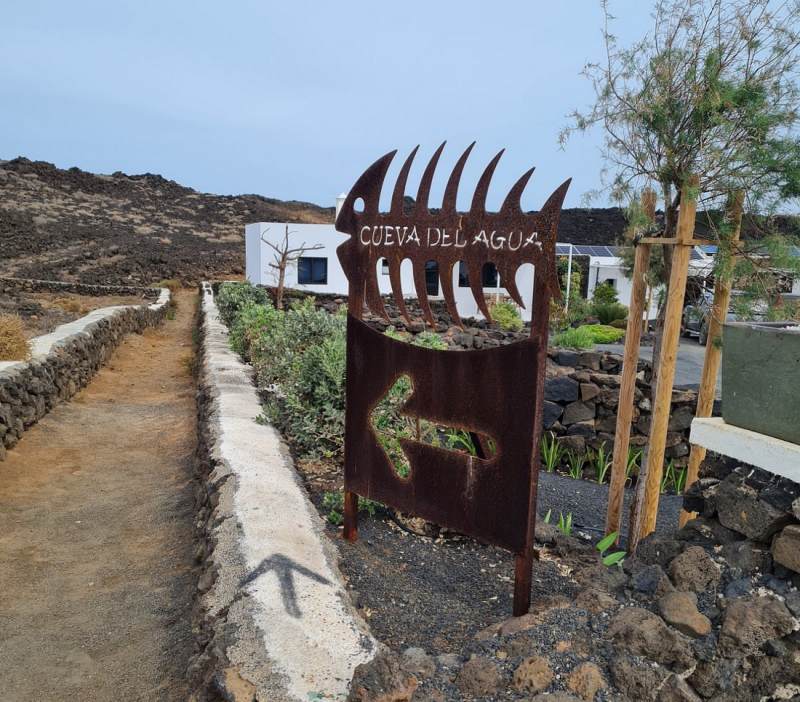

Natural swimming pool of Los Cocoteros in Lanzarote
There are puddles on Lanzarote that are not about crossing off a visit, they are about reading the day and deciding. Los Cocoteros is exactly that. If the sea is nice, you enjoy it. If not, it is still a curious spot for a short stop along the coast of Guatiza.
And an important warning to go with the right expectations. Many people look for cueva del agua Lanzarote and end up mixing it up with piscina natural Los Cocoteros. They are close and are named together, but they are not the same thing.
Los Cocoteros and Cueva del Agua Lanzarote are one of those places that are most enjoyable when you go with the right expectations. Short stop, flexible mentality and common sense with the sea. If it is a good day, you get swimming and scenery. If not, you take the coast and a walk. And here, that is already a good deal.
Los Cocoteros and Cueva del Agua, La Olla, is it the same or not?
As a local, I mentally separate it into two things. On the one hand, Los Cocoteros as a coastal area and promenade, with the Guatiza bathing area and its corners to look at the sea and decide if you feel like a swim.
On the other hand, the Cueva del Agua Lanzarote, also known as La Olla, is the one that many people come looking for when they say I want to bathe in that natural pool embedded in rock.
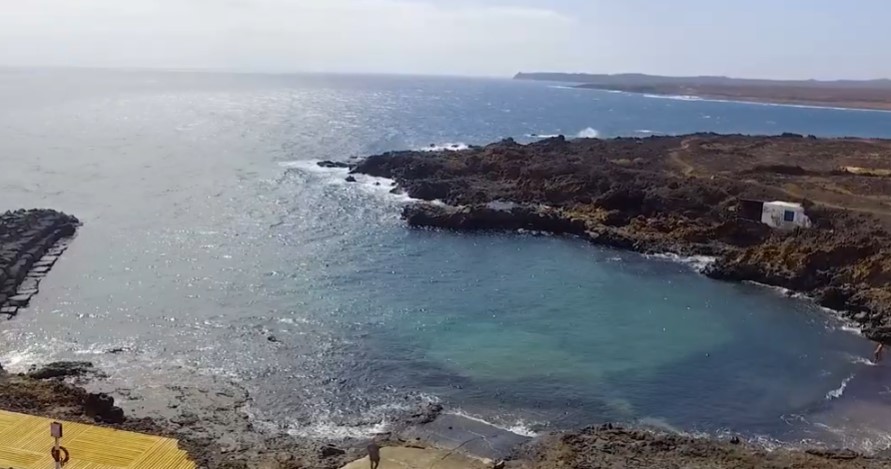
Los Cocoteros swimming pool and Cueva del Agua
Quick differences
| Key point | Los Cocoteros natural swimming pool | Cueva del Agua Lanzarote, La Olla |
|---|---|---|
| Typical plan | Short stop and coastal walk | Visit with a clear intention to swim if conditions allow |
| What rules | Tide and calm sea | Access and safety, plus sea conditions |
| Main risk | Wet rock and changing sea | More delicate entry and exit depending on conditions |
| If the sea is rough | Better to watch and continue your route | Better not to force a swim |
Why this confusion is so common
Because names are passed along by word of mouth and everyone calls it differently. So you do not spoil your plan, stick to this simple rule. If your priority is swimming, go with an only if the sea is calm mentality. If your priority is a nice stop, the Los Cocoteros walk works even when the sea is rough.
Where exactly is it located
The natural pool of Los Cocoteros is on the northeast coast of Lanzarote, next to the Los Cocoteros residential area, very close to Guatiza, in the municipality of Teguise.
The Cueva del Agua in Lanzarote, also known as La Olla, is very close to the same area, but it is not the pool you see from the residential area. It is a coastal spot you normally reach by walking along the shoreline and volcanic terrain, depending on the access you choose that day.
How to get there without drama
From Guatiza or from the Los Cocoteros residential area
You can get there on foot from Guatiza or from Los Cocoteros. I like it this way, because it is not a place to get out of the car, take a dip and leave. It is more about walking a bit, looking at the sea and deciding as you go.
By car to Los Cocoteros
- Drive towards Guatiza and, from there, continue towards the Los Cocoteros residential area.
- When you get there, go down towards the area closest to the coast. It is a small place, you will not get lost.
- Park without blocking anyone and count on the last stretch on foot along the coast.
On foot from Guatiza
If you feel like walking, you can get there on foot from Guatiza without complications. Head towards the coast and connect with Los Cocoteros. It is more enjoyable if you keep an eye on the sea and the waves.
How to get to Cueva del Agua, La Olla
For Cueva del Agua, La Olla, keep this in mind.
- It is not a get out of the car and jump in spot.
- It usually involves walking along the coast and, near the end, moving over volcanic rock.
- The key is choosing an access that feels safe on the day.
If the sea is calm, the route feels easier. If there is swell or wet rock, this is where many people turn back, and that is the right call.
Parking and final stretch
- Parking is usually in and around the residential area, then the rest is on foot.
- Wear booties or water shoes if you plan to swim, the rock can be slippery.
- If the sea looks rough, turn it into a walk. The Atlantic does not negotiate.
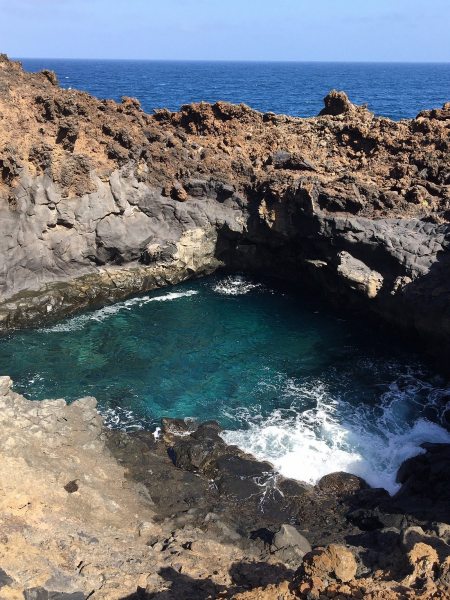
What you will really find
In my case, the best thing about Los Cocoteros was not the pool itself, it was the plan. Coast, short walk and that spot of sea cut out by rock that has charm even if you do not swim.
A puddle in volcanic rock
You are on a rocky volcanic coast and the behaviour of the water changes a lot depending on the moment. When the tide is high and the sea is calm, the pool reads more like a natural swimming pool. When the tide is low or the sea pushes in, you feel the Atlantic for real.
If you come looking for turquoise water, keep expectations realistic
Yes, there are days when the water looks spectacular. But it is not always an easy swim. I came with the typical idea of an easy natural pool and found something more delicate. Nice, yes, but not always easy.
When you can take a dip
There are no medals here for being brave. The best trick is prudence and a little humility with the sea. When the tide is high and the sea is calm, the place improves a lot. When the sea is rough, I see it more as a viewpoint than a bathing spot.
Best moment
If you can choose, aim for high tide and, above all, calm seas. It is not just about water level. Calm sea means safer entry, easier movement and fewer surprises.
When not to go
On this coast, wind and sea rule. If I see waves breaking hard or foam hitting the rock, I do not even try. Better a nice walk than a silly slip.
Access to the water and safety. This makes the difference
Access is not always easy. There are rocks and slippery areas. If you do not see it clearly, it is fine not to go in. The place is still worth it.
If you go down, think about the way back up first. Watch your footing, avoid polished wet rock and do not enter if the sea is pushing towards the rock wall.
Sea urchins are common on this coast. No drama, just be smart. Booties or water shoes and you have half the problem solved.
Quick checklist before leaving home
- Check sea conditions and choose a calm day
- If you want to swim, try to match high tide
- Bring booties or water shoes
- Bring water and sun protection
- Stay flexible. If you cannot swim, the walk still works
Quick local tips to enjoy it and not mess it up
It is not a secret anymore. There are quiet times and busy times. If you want it calmer, avoid peak hours. If it is packed, coming back another day is a smart move.
Travellers describe it very differently. Some love the water, others say it is not worth a long trip just for this. My practical rule is simple. If it does not look safe, turn it into a walk. In Lanzarote that is still a good plan.
Mini route through the area so the plan makes sense
I would treat it as a stop on a route around the area, not as a reason to cross the island just for this. If it fits your day, perfect. If not, you still enjoy the coast.
A combination that works well is Los Cocoteros and Guatiza coast, then the Cactus Garden. Or, if you want another sea pool stop, the natural pools of Punta Mujeres. It rounds off the morning even if the sea is not good for swimming.
Frequently asked questions
About the author

Maike Famara
Director of Surf Famara. A free surfer from the 1970s, renowned in the Canary Islands, he has surfed on five continents (the entire South African coast, Western Australia, Indonesia, Peru, Chile, Puerto Rico, Panama, France, Portugal, Senegal, Morocco...) and has dedicated himself to teaching and developing new surfers since 1996! You can find him in San Juan or La Santa, where he remains connected to the ocean like the first day.